
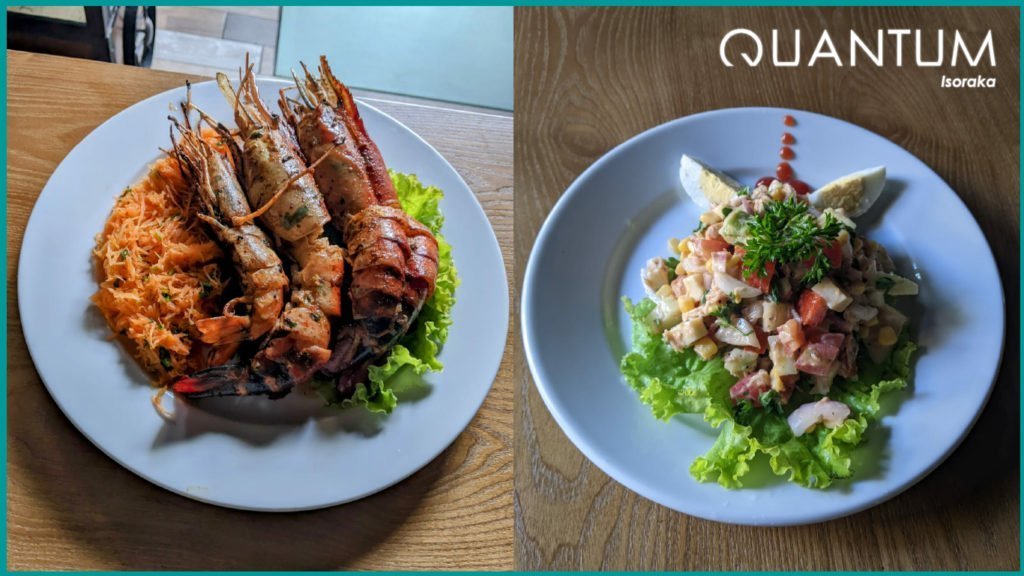
Mediterranean cuisine brings together the culinary traditions of the countries bordering the Mediterranean Sea: vegetables, pulses, grains, olives, olive oil, fish, aromatic herbs and spices.
From North Africa to Southern Europe, it is recognisable by its generosity and its shared meals. This article offers an overview, from couscous to paella, with a few landmarks to help you find your way.
In Isoraka, Antananarivo, Quantum Isoraka shares this taste for a convivial table.
On this page: Flavours of the South · Flavours of the North · Landmarks from South to North · 3-question quiz
A cuisine of produce and sharing
Mediterranean cuisine relies on simple produce: seasonal fruit and vegetables, pulses, grains, olives, olive oil, fish and seafood.
Dishes are often flavoured with garlic, onion, aromatic herbs and spices. Meals are happily shared with family or friends: a time for sharing, conversation and passing things on.
Exchanges that travelled
Trade routes, conquests and migrations carried ingredients, techniques and recipes from one shore to another.
Olive oil and herbs left a lasting mark on Italian and French cooking; citrus fruits, dates and many spices travelled towards North Africa and the Middle East.
The precise origins of some dishes are often debated: it is better to speak of shared influences than of a single origin.
Flavours of the southern Mediterranean
The South includes Morocco, Algeria, Tunisia, Egypt and Libya.
Here you find semolina, chickpeas and dried pulses, herbs (thyme, mint, parsley), dried fruit and spices such as cumin, cinnamon and saffron.
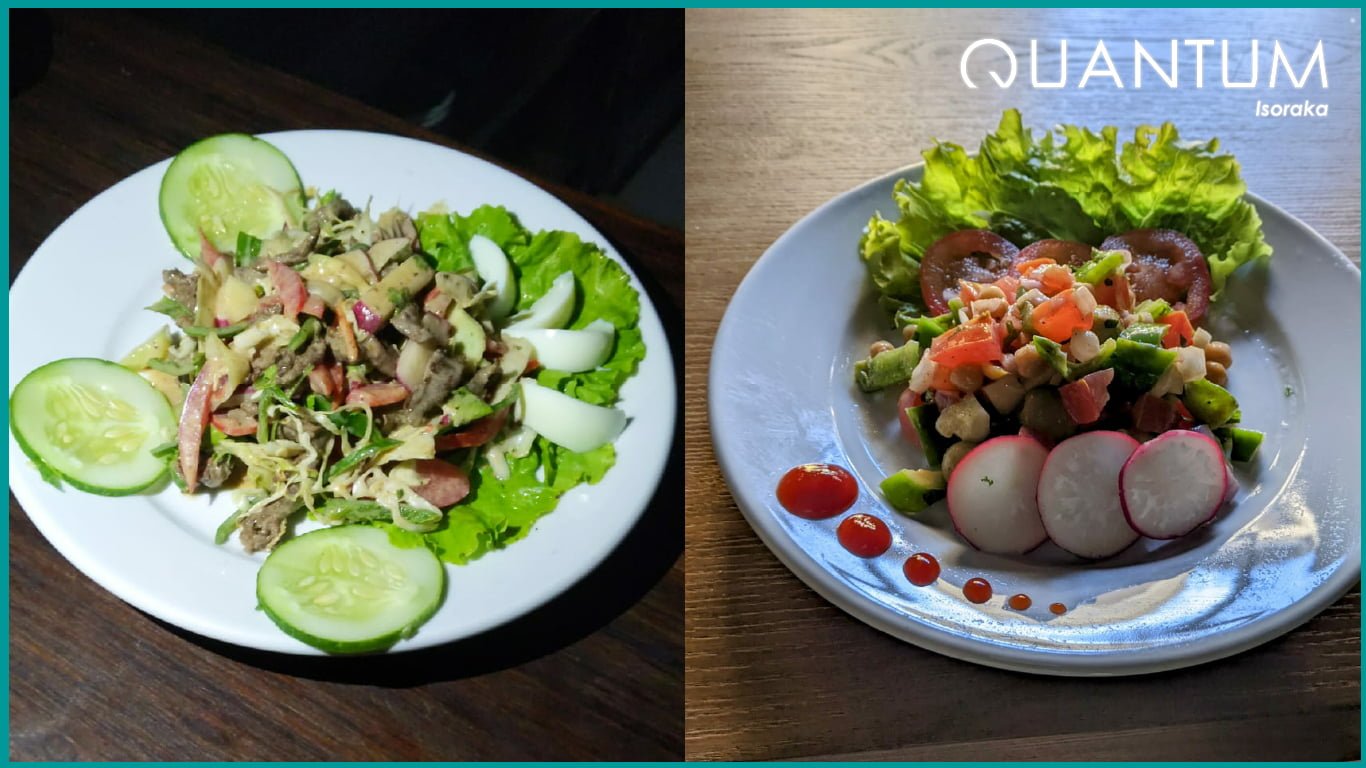
Couscous, tagine, chorba
Couscous, a semolina dish usually served with vegetables, meat or fish, is associated with the whole of North Africa; discover the traditions of Kabyle couscous.
Tagine refers both to the earthenware dish with a conical lid and to the slow-cooked preparation made in it: meat, vegetables and dried fruit.
Chorba is a North African soup, often made with vegetables, chickpeas and vermicelli. Spice blends such as ras el hanout flavour many dishes.
Aubergines, tomatoes, olive oil
These three ingredients are found all around the Mediterranean.
- Olive oil is used for cooking, seasoning and flavouring.
- Tomato is eaten raw, cooked, dried or as a sauce.
- Aubergine, with its melting flesh, can be grilled, baked, fried or stuffed; read our article on smoked aubergine.
Flavours of the northern Mediterranean
The North includes Spain, France, Italy, Greece, Turkey and Lebanon (often grouped with the Levant).
It is associated with olives, tomatoes, herbs, citrus fruits and fresh cheeses.
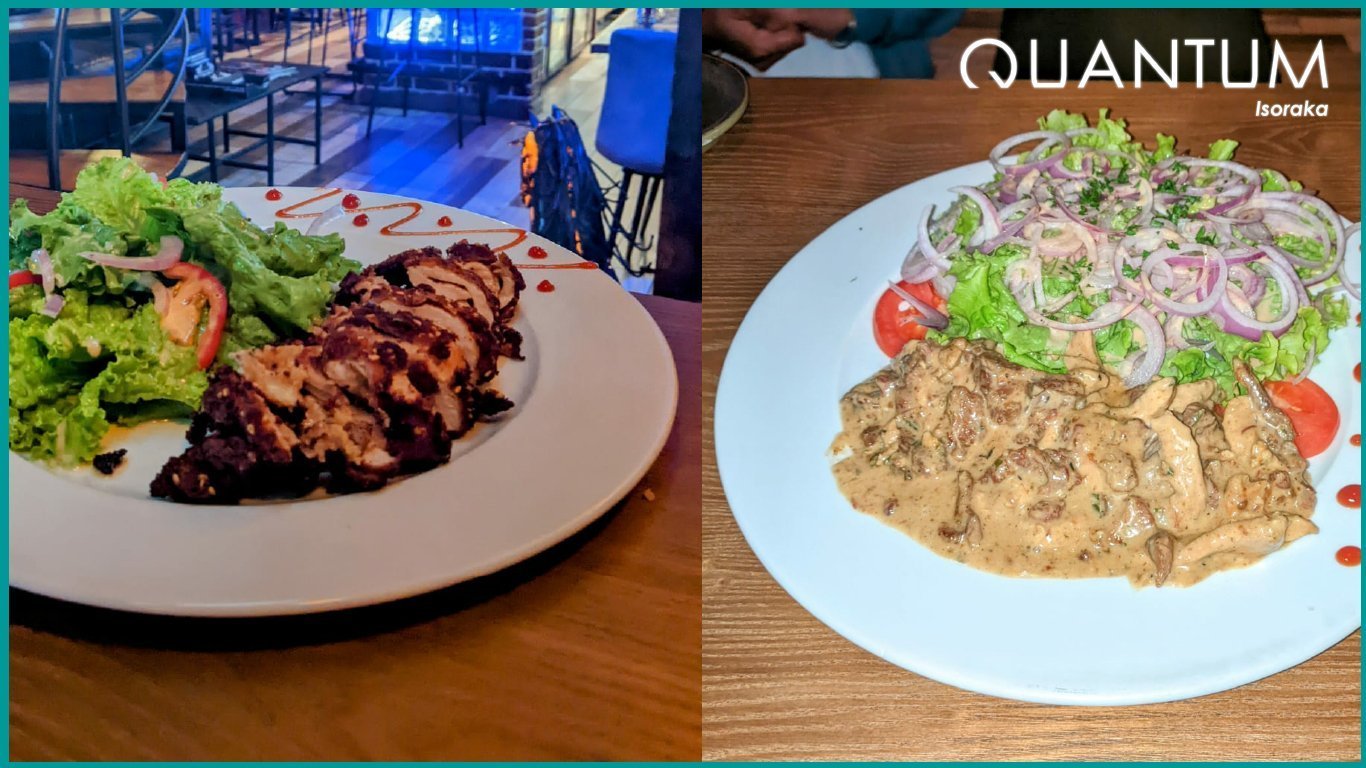
Paella and ratatouille
Paella is a rice dish generally associated with the Valencia region in Spain; saffron gives it its golden colour.
Ratatouille is a vegetable stew (aubergine, courgette, pepper, onion, tomato) generally linked to Provence.
Both dishes vary according to the produce available and personal preference.
Influences of the Levant
Tahini, labneh, za’atar, sumac, dates and nuts are markers of Levantine cuisine, whose influence is found in many mezze.
Landmarks: from South to North
| Area | Example countries | Typical ingredients | Iconic dishes |
|---|---|---|---|
| South | Morocco, Algeria, Tunisia | Semolina, chickpeas, dried fruit, cumin, cinnamon | Couscous, tagine, chorba |
| Levant | Lebanon, Syria, Palestine | Tahini, sumac, za’atar, aubergine | Mezze, moutabal, hummus |
| North | Spain, France, Italy, Greece | Olive oil, tomato, herbs, citrus fruits | Paella, ratatouille, moussaka |
What these cuisines have in common
- Fresh, seasonal produce, prepared simply.
- Olive oil, herbs and spices as the base of flavour.
- Varied cooking methods: grilling, baking, slow-cooking, sautéing.
- The pleasure of sharing a meal together.
Test your knowledge
Three questions to recap the essentials. Your answers are not saved.
The spirit of the Mediterranean in Isoraka
At Quantum Isoraka, Mediterranean cuisine sits alongside Middle Eastern and Indian flavours, in an elegant setting in Isoraka, Antananarivo.
Book a table at Quantum Isoraka.
